Shantou, the city of letters from across the sea
Located on the eastern coast of Guangdong, facing the South China Sea, Shantou is one of those Chinese cities whose history can only be fully understood by looking out to sea. It belongs to the Chaoshan region, a strong cultural territory that includes Shantou, Chaozhou and Jieyang. Here, the sea has never been merely a landscape: it has been a route, a border, a promise, and sometimes a separation.
Shantou occupies a singular place in the history of southern China. As a port city, a commercial city and a city of emigration, it long served as one of the main departure points for people from Chaoshan heading to Southeast Asia and other parts of the world. Its history is therefore both local and international. It can be read in its language, cuisine and traditions, but also in the old façades of its historic city and in the thousands of letters sent by overseas Chinese to their families who remained at home.
A city at the heart of Chaoshan culture
 To understand Shantou, one must first understand Chaoshan. This region has a deeply distinctive cultural identity, sometimes little known outside China, yet very much alive. People speak the Teochew / Chaoshan dialect, preserve ancient local traditions, cultivate a cuisine renowned throughout China, and maintain a strong relationship with family, commerce and transmission.
Chaoshan culture is known for its discreet refinement: gongfu tea, local opera, temples, popular festivals, culinary specialties, but also a remarkable ability to do business, travel and maintain strong ties across distance. It is both a culture of territory and a culture of diaspora. Many people from Chaoshan left to seek opportunities elsewhere, while maintaining a powerful connection to their village, their family and their region of origin.
Shantou is therefore more than an administrative city: it is one of the gateways into this cultural world. It embodies a southern China that is turned both toward its roots and toward the wider world.
Shantou, a former port open to the international world
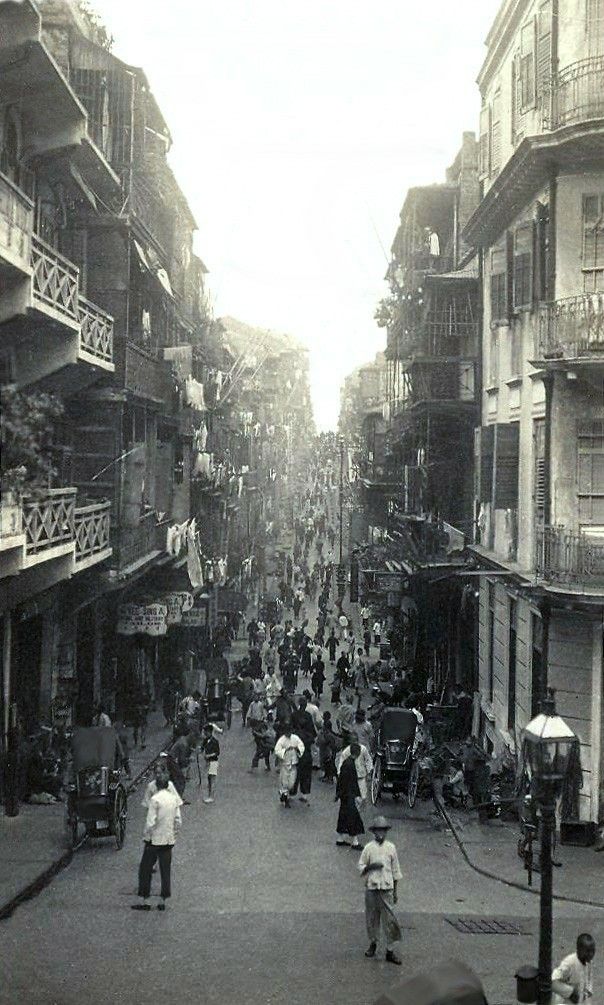 Shantou’s modern history is closely tied to its role as a port. From the nineteenth century onward, the city became a port open to international trade. Its official opening to foreign commerce dates back to 1860, in the context of the treaties imposed on China after the Opium Wars. This opening deeply transformed the city, which gradually became a center of exchange, trade and human movement.
This port history gave Shantou a cosmopolitan dimension. Goods circulated through the city, but so did ideas, architectural forms, commercial practices and life trajectories. The city was not only a place of arrival; it was above all a place of departure. From Shantou, many people from Chaoshan boarded ships bound for Thailand, Singapore, Malaysia, Indonesia and other territories in Southeast Asia.
This history explains why Shantou remains closely associated with the idea of migration. It was a threshold between mainland China and the outside world. For many families, the port of Shantou represented the moment of departure, the hope for a better life, but also the beginning of a long separation.
Qiaopi: the letters of the diaspora
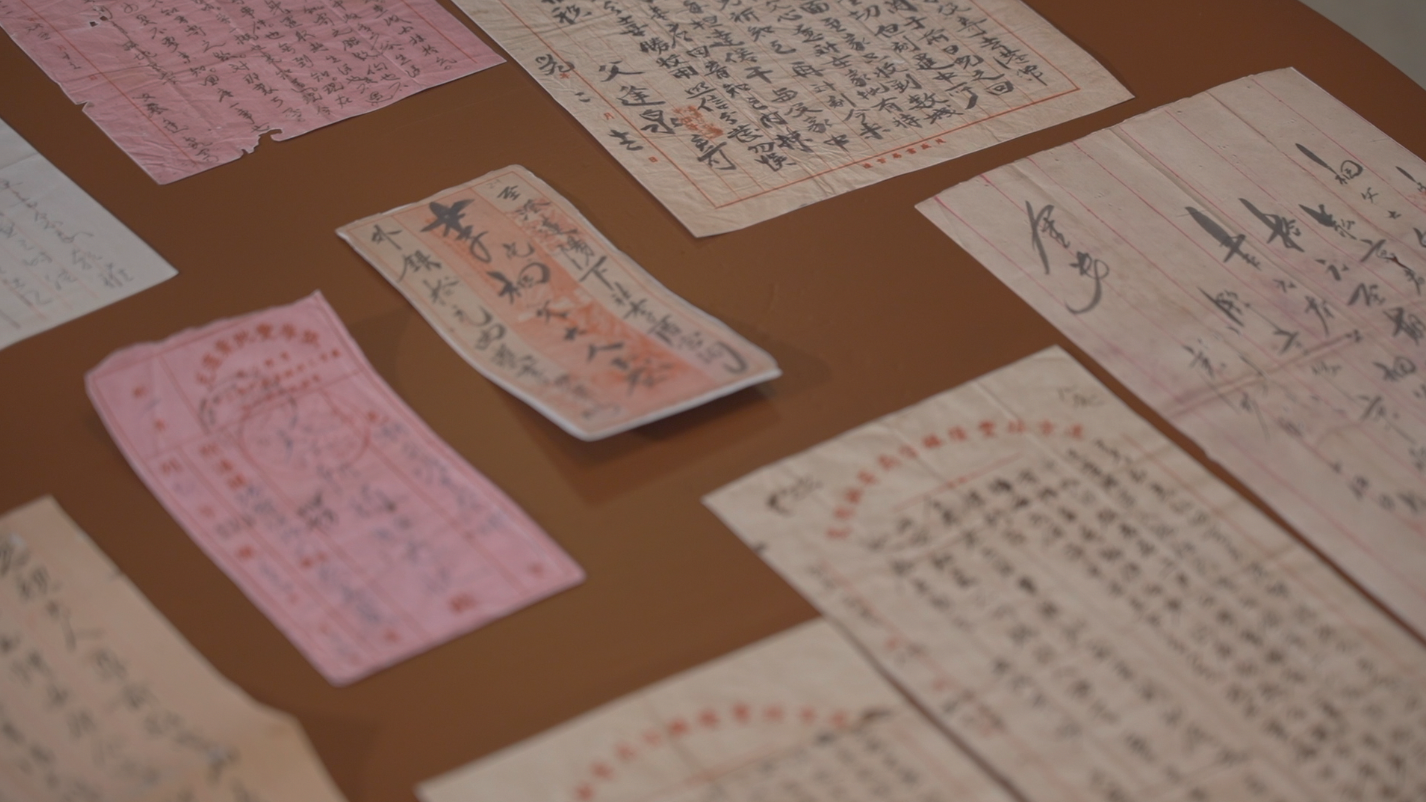 Yet the most moving part of Shantou’s history may not be found only in its streets. It is also found in its letters.
Qiaopi, in Chinese 侨批 (qiáopī), were letters sent by overseas Chinese to their families who had remained in China, often accompanied by remittances. They could take the form of correspondence, receipts, account documents or proof of delivery. UNESCO describes them as documents produced through exchanges between Chinese migrants and their families in China, recording the living conditions, activities and family ties of overseas Chinese communities during the nineteenth and twentieth centuries.
Today, these documents are inscribed on UNESCO’s Memory of the World Register, which protects documentary heritage. They are therefore not intangible heritage in the strict sense, but archival heritage of exceptional historical value. Qiaopi are recognized because they bear witness to a unique system that was at once postal, financial and familial.
In the context of Chaoshan, Qiaopi hold particular importance. Many emigrants who left from Shantou or its surrounding region regularly sent money back to their relatives at home. These remittances helped support families, finance children’s education, build houses, maintain social status or simply ensure the survival of the household.
But reducing Qiaopi to simple money transfers would be a mistake. They were also letters of filial love, duty, concern and loyalty. They allowed one to say: “I am far away, but I have not forgotten.” They embodied an invisible bond between those who had left and those who were waiting.
Through Qiaopi, the Chaoshan diaspora appears in all its complexity. It is not only a story of economic success. It is also a story of absence, responsibility, distance and family memory.
The history of Shantou is therefore marked by a deep tension: leaving and staying, moving away and maintaining the bond, succeeding elsewhere while continuing to belong to one’s place of origin. This tension lies at the heart of many diasporas, but it takes on a particularly strong form in Chaoshan culture.
Family occupies a central place. The individual who leaves never leaves entirely alone. He or she carries the expectations of loved ones, the memory of the village, obligations toward parents and sometimes the hopes of an entire lineage. Success abroad does not erase attachment to the homeland. On the contrary, it often reinforces it.
Qiaopi thus become almost symbolic objects: a sheet of paper, a few lines, a sum of money — and behind them an entire relationship. They tell the story of globalization before digital globalization. Before instant transfers, video calls and social media, these letters carried money, news and emotions.
From archive to cinema: the link with Dear You
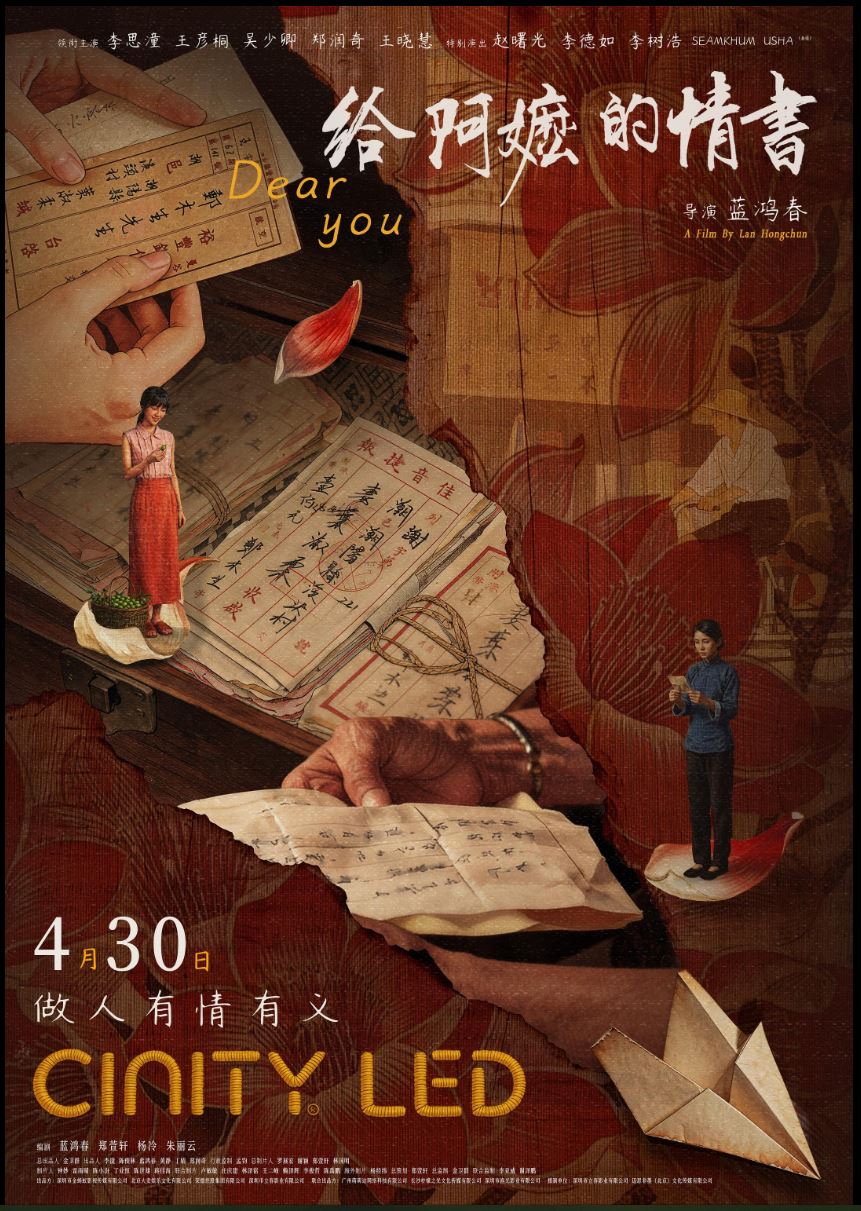 Today, this memory of the diaspora has found a new echo through cinema. The Chinese film Dear You, in Chinese 《给阿嬷的情书》, presented at the 2026 Cannes Film Festival, places Qiaopi and Chaoshan culture at the center of a contemporary narrative. Directed by Lan Hongchun, the film is presented as a family drama in the Teochew / Chaoshan dialect. It uses Qiaopi letters as a narrative thread to tell a story of family, memory and connections with overseas communities.
The Chinese title, which could be translated as “A Love Letter to Grandmother,” already says a great deal. This is not simply a film about emigration or old archives. It is a film about intimate transmission, about what previous generations lived through, concealed, carried or waited for. Through Qiaopi, the film gives emotional form to the history of the diaspora.
The choice of dialect is also important. In a China where Mandarin largely dominates national media, making a film in a local language is a strong cultural gesture. It gives voice to a region, to a memory, to a specific way of speaking, feeling and telling stories. The film is part of a renewed interest in regional narratives, dialects, family traditions and histories that long remained local.
With Dear You, Qiaopi leave the display cases of museums and return to the popular imagination. What may have seemed like documentary heritage becomes cinematic material. The letters are no longer only archives; they become voices again. They remind us that behind every migration are families, promises, silences and loyalties.
The old city: architecture between China, Europe and Southeast Asia
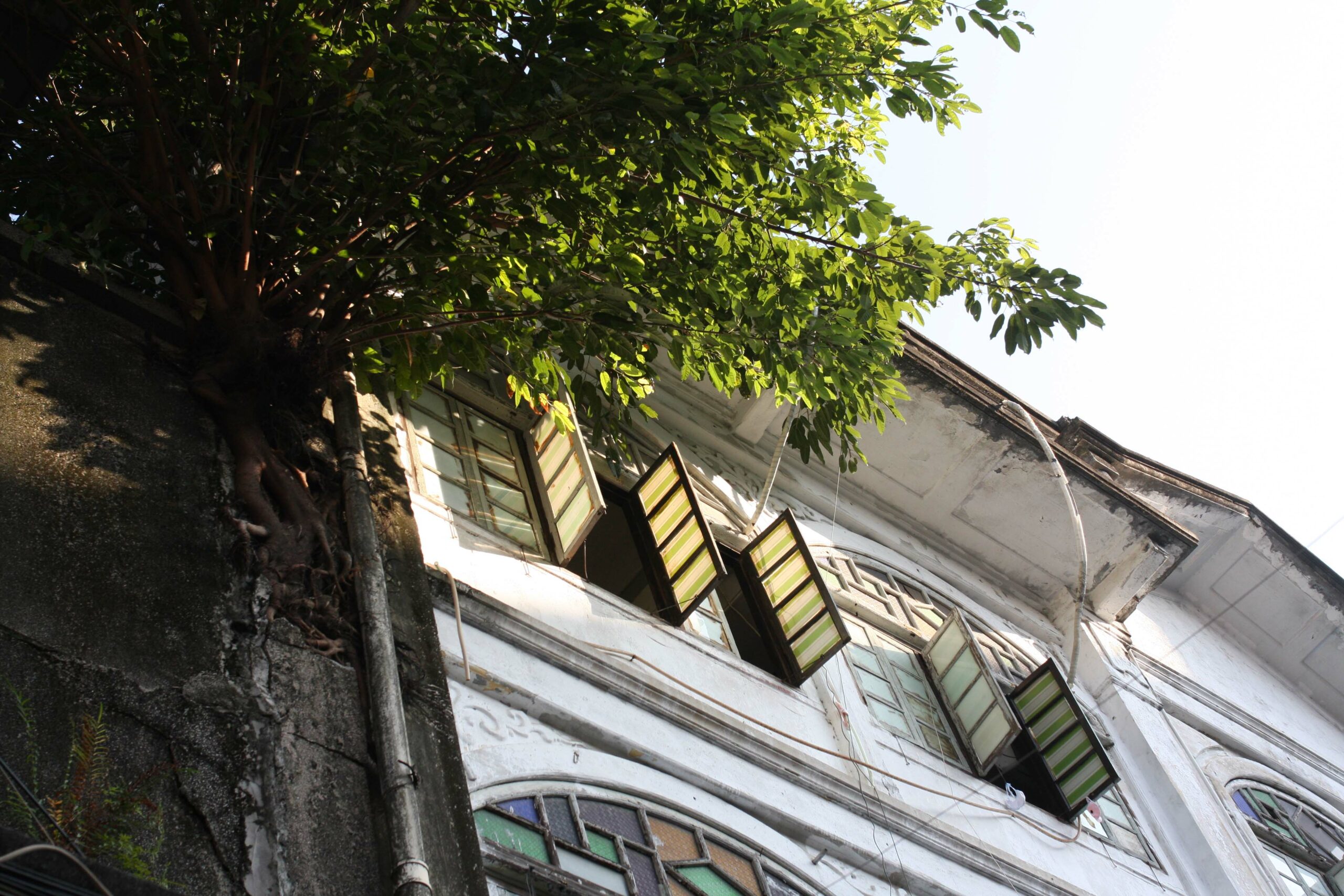
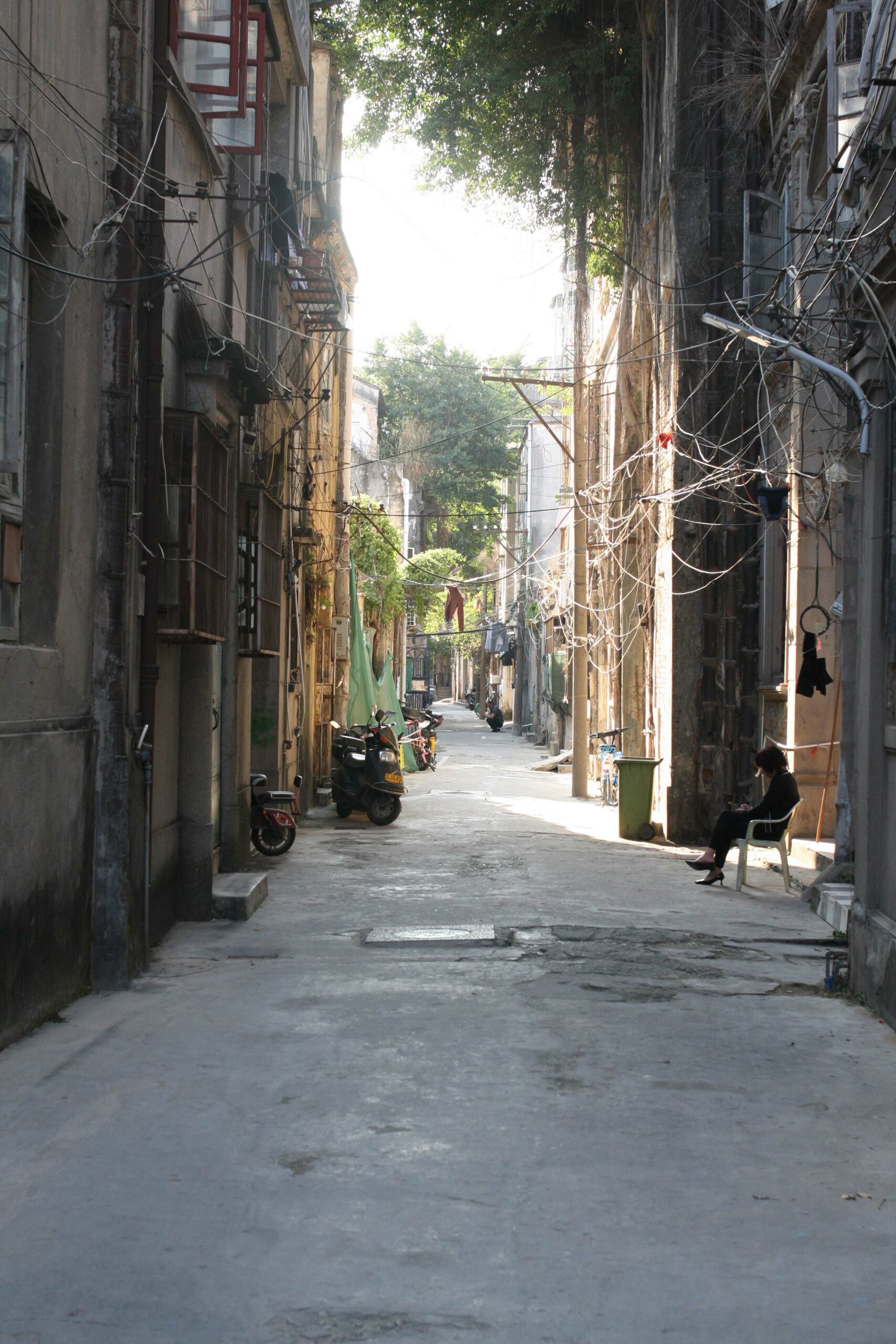
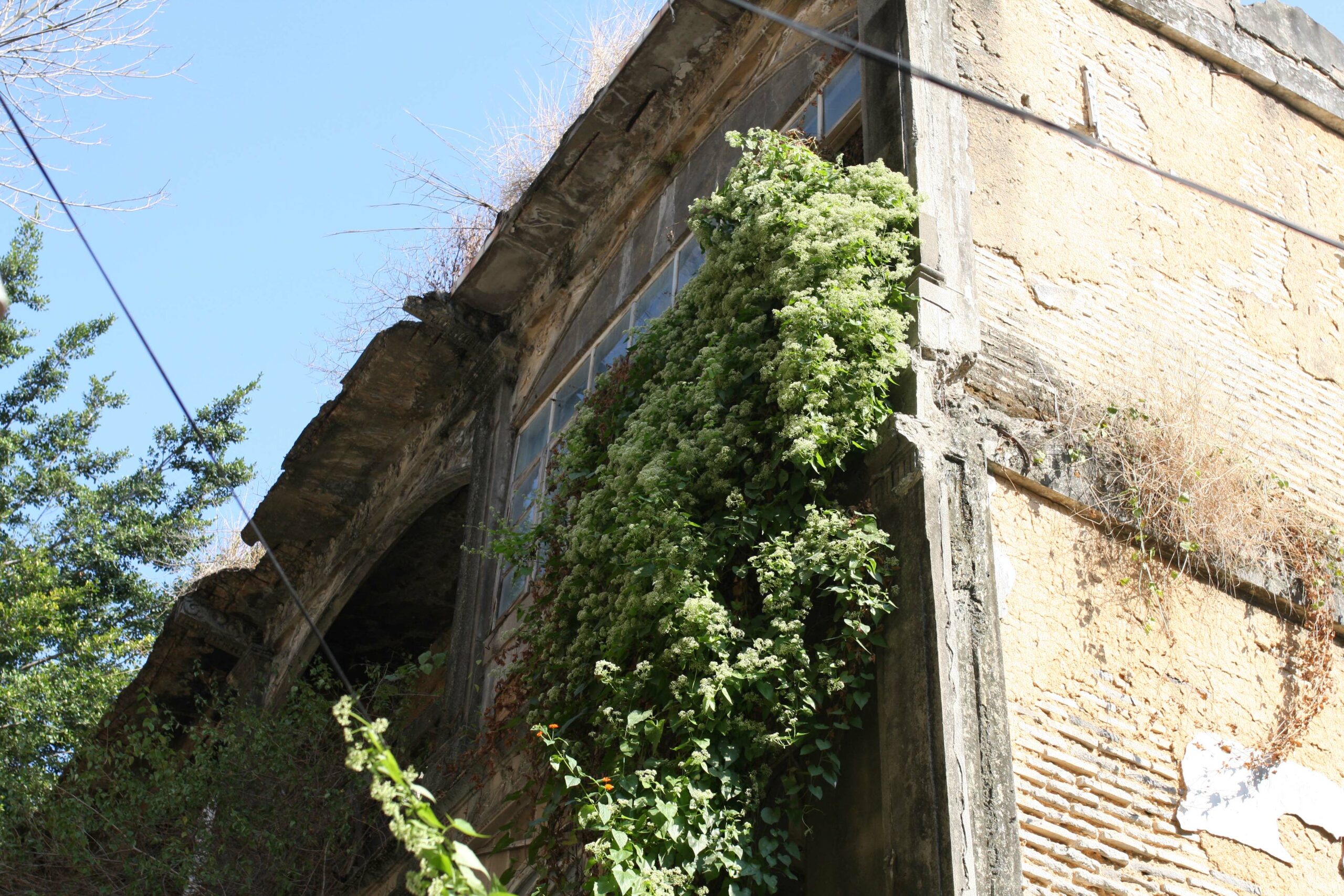
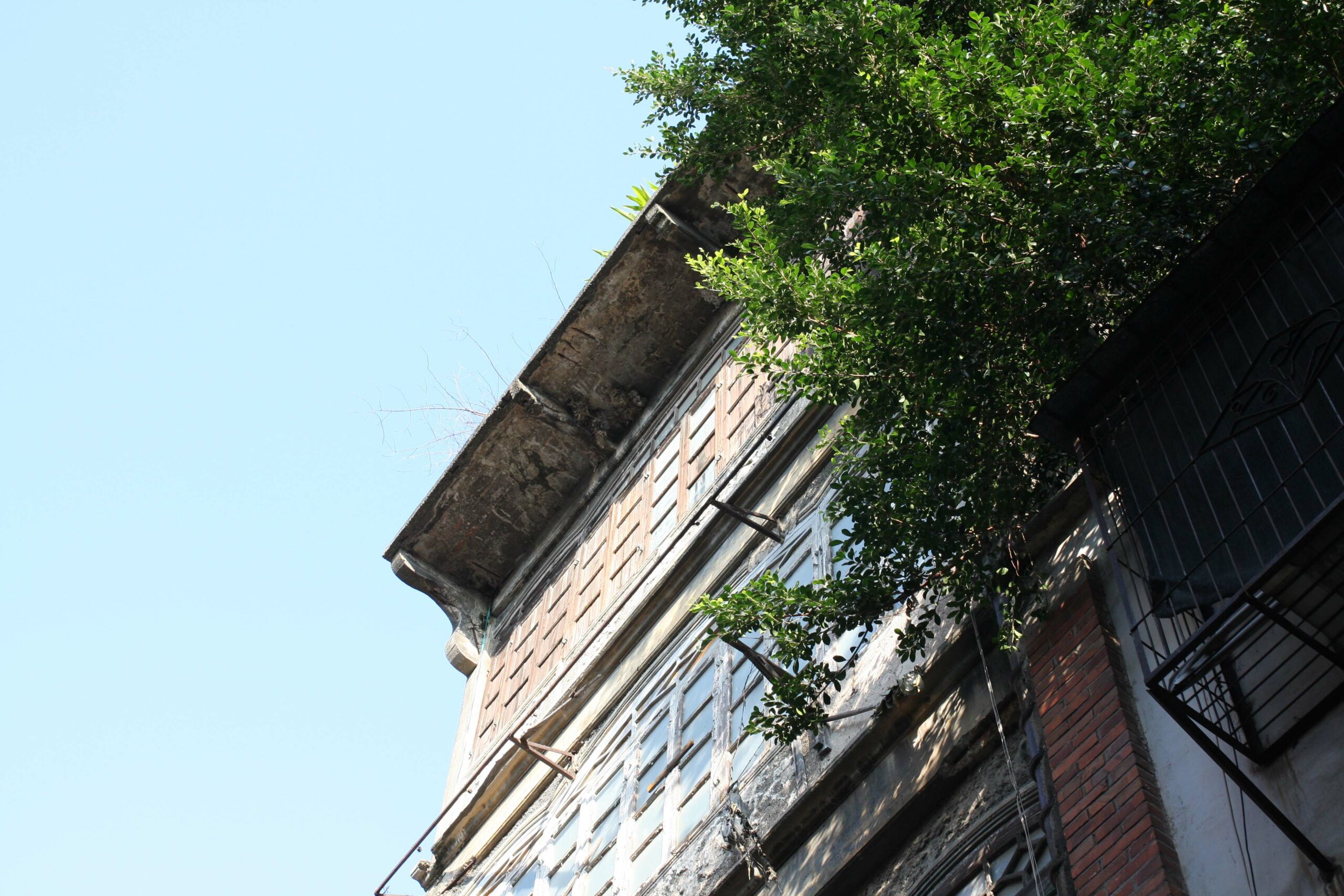
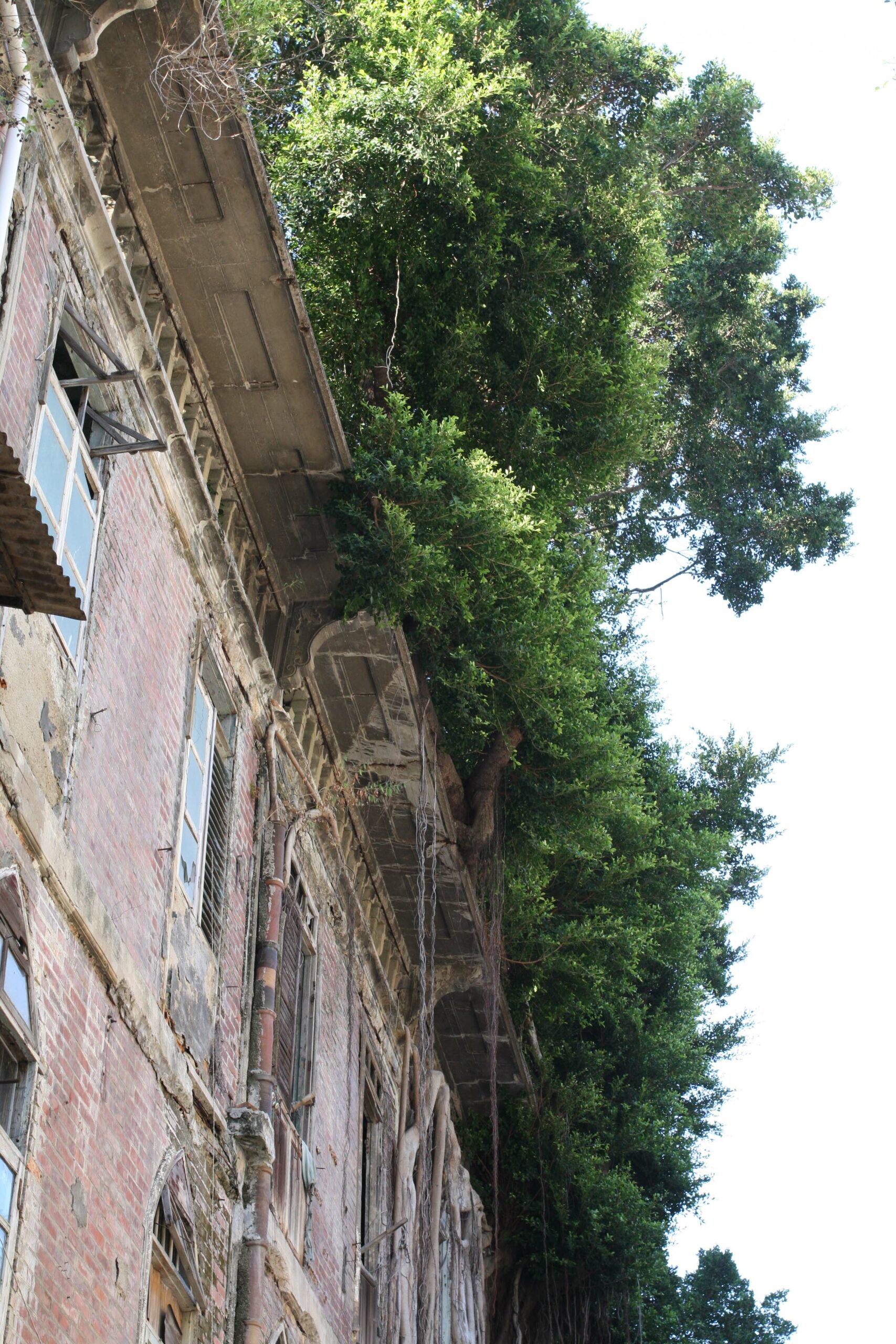
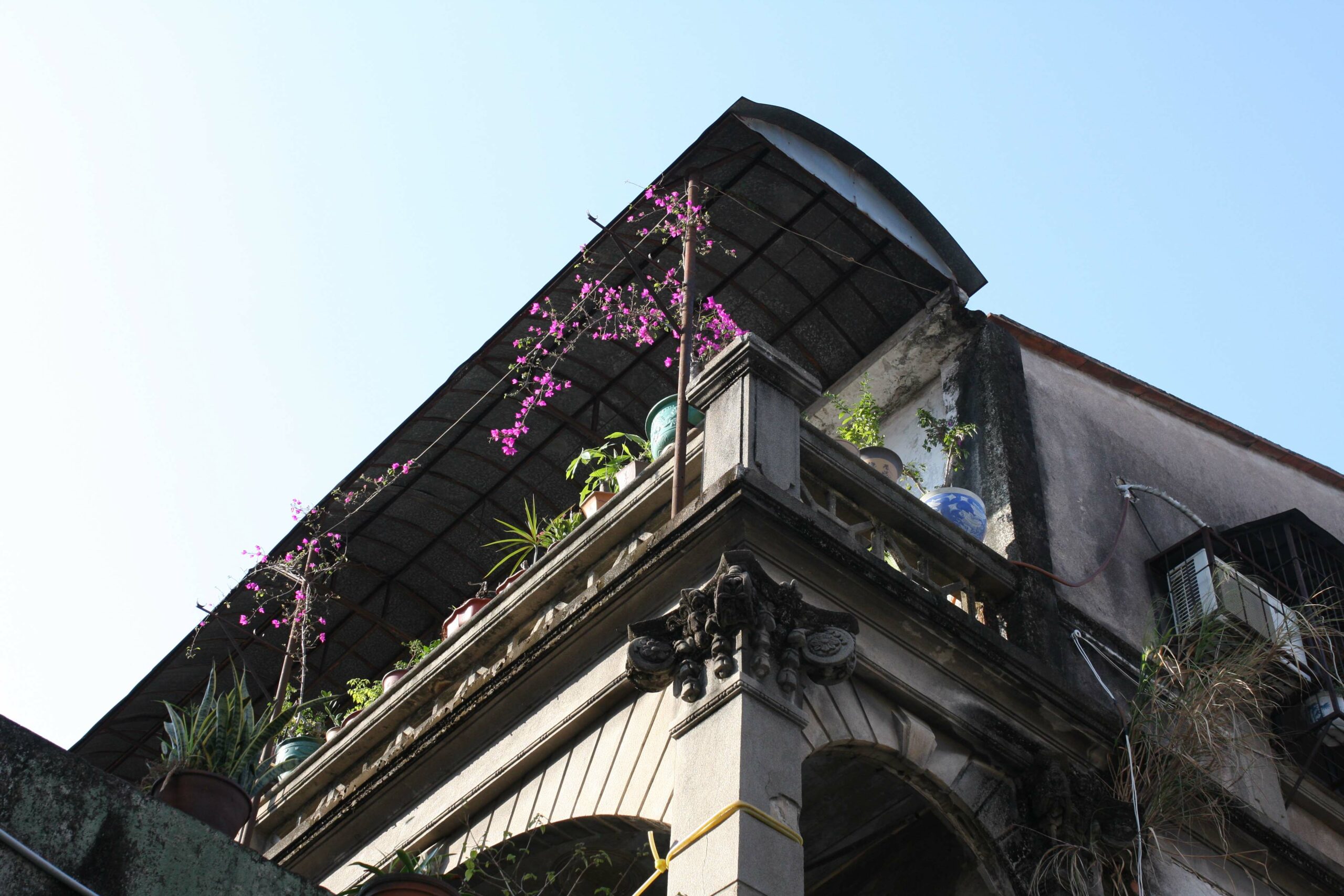
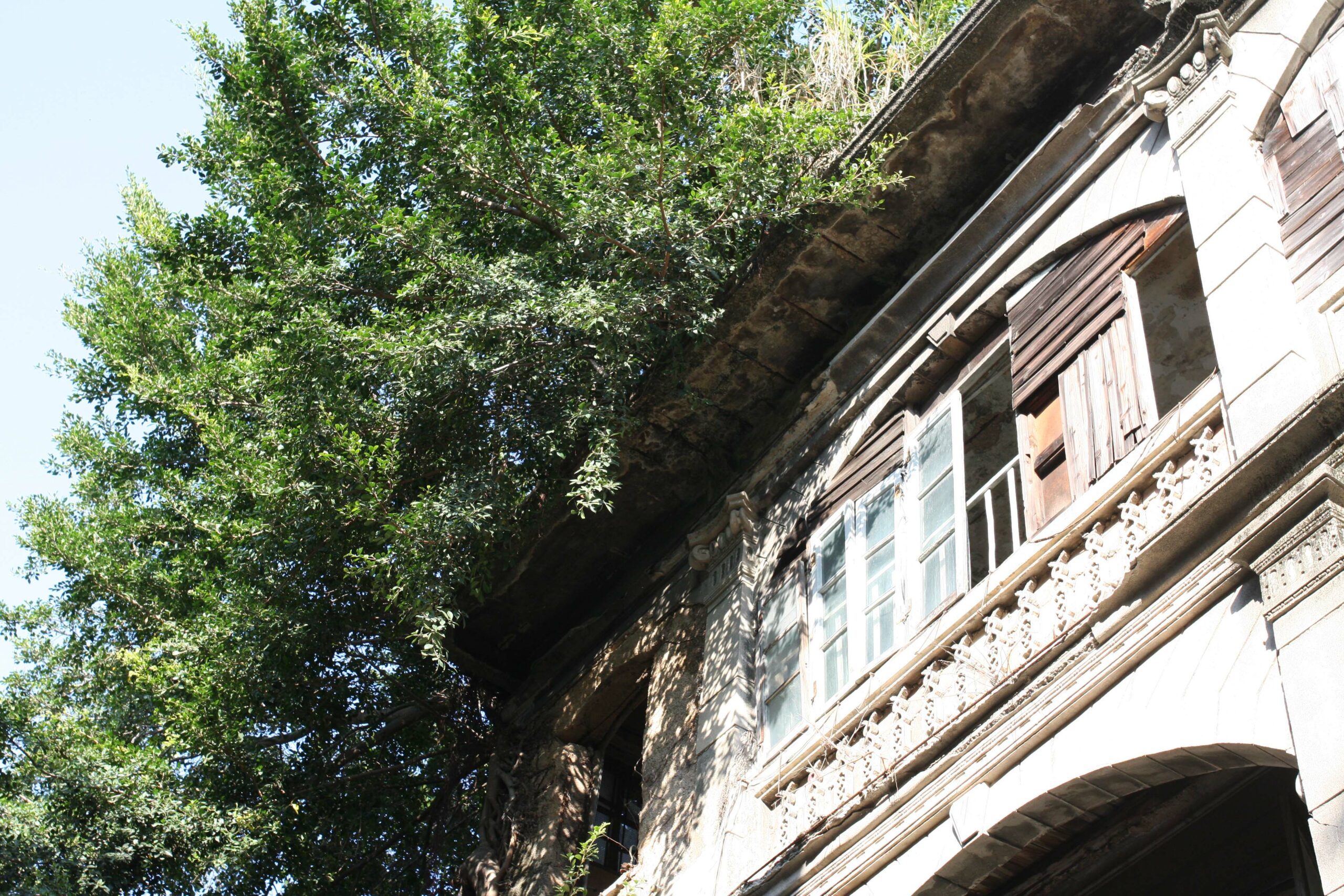
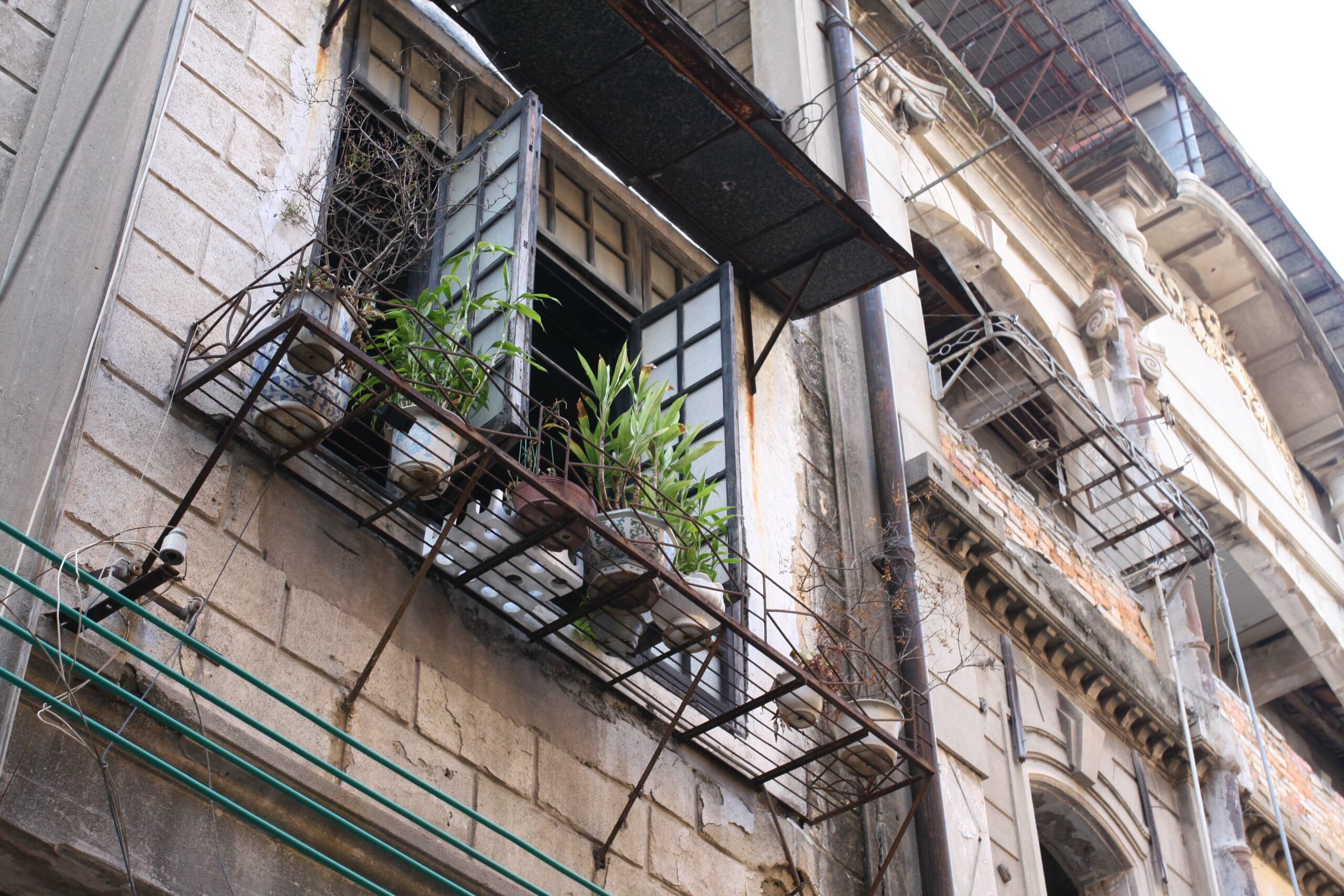
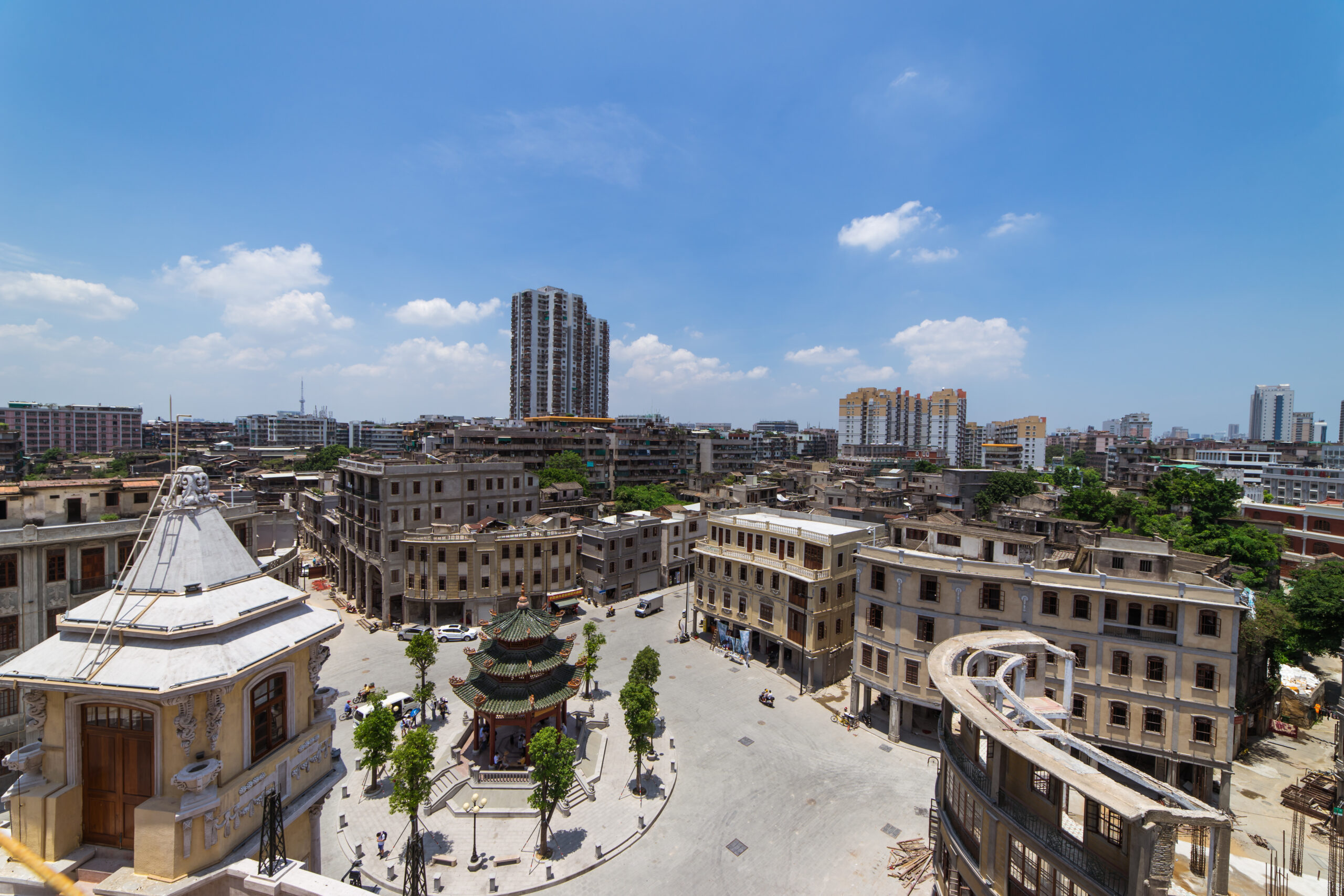
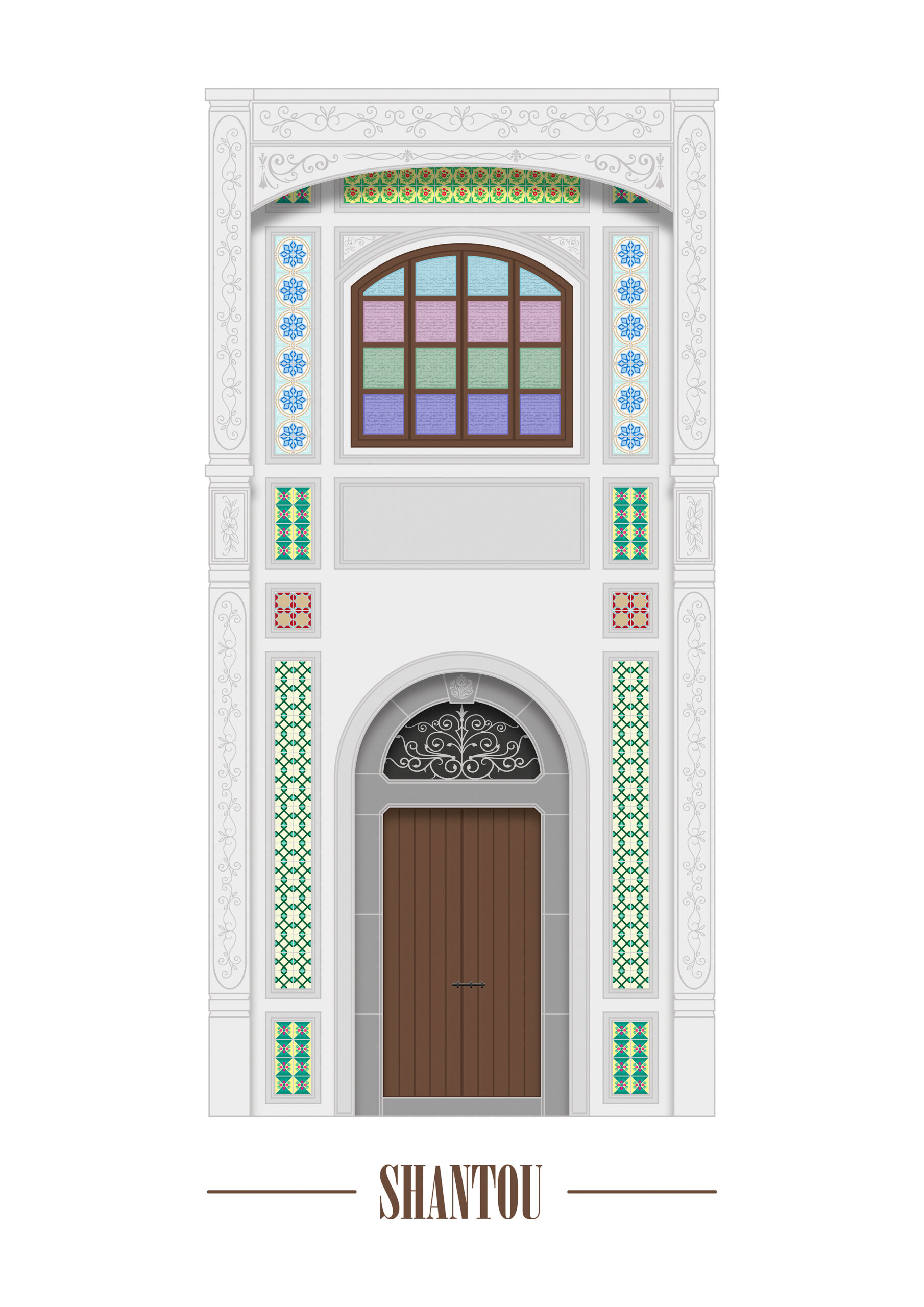 Shantou’s international past is still visible in its old city. The historic district of Xiaogongyuan, often translated as “Small Park,” preserves a remarkable architectural heritage. Many buildings there are of the qilou type, arcade buildings typical of several cities in southern China. The upper floors extend over the sidewalk, supported by columns, creating covered galleries for pedestrians.
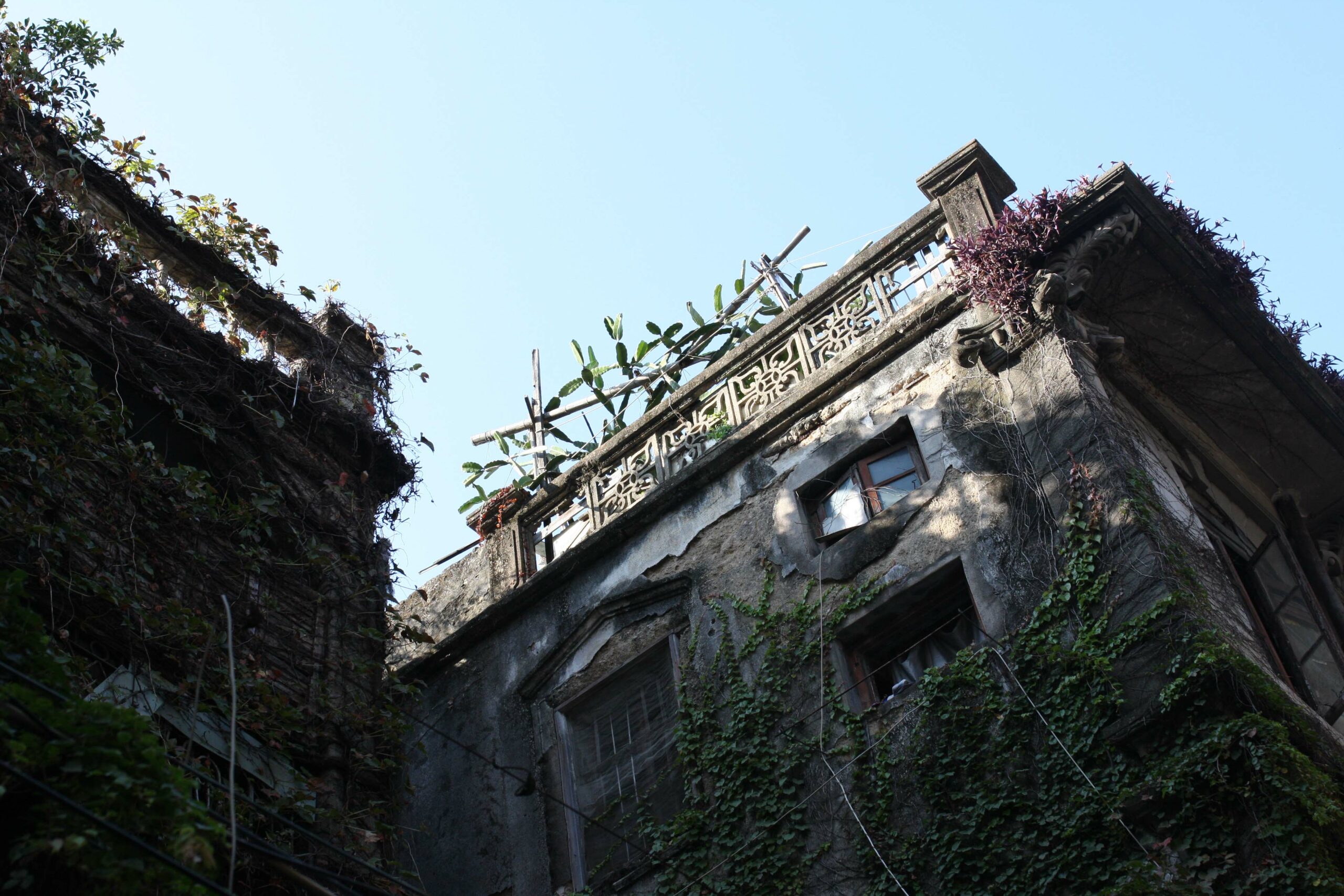
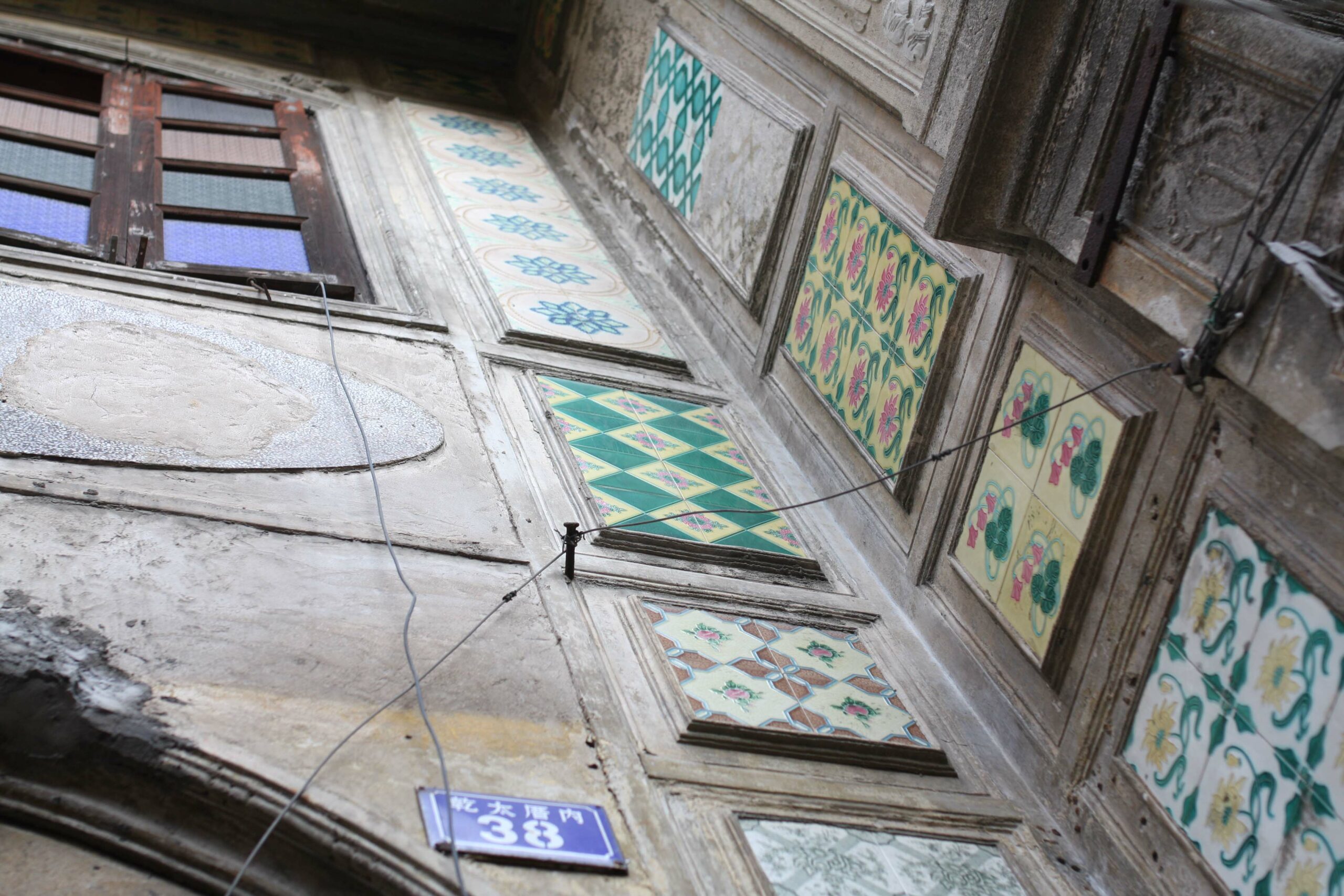
This architecture tells the story of a merchant city. It blends Chinese, European and Southeast Asian influences. Façades, cornices, balconies, arcades and certain decorative details evoke a time when Shantou was connected to international trade networks. The old city thus appears as an urban archive: each building seems to carry the memory of the port, of merchants, of overseas families and of influences from elsewhere.
This architecture is not simply “colonial” in the strict sense. It is rather hybrid. It testifies to a period when Chinese port cities absorbed, transformed and reinterpreted foreign forms according to their own uses. In Shantou, this hybridization gives the old city a particular atmosphere: Chinese, southern, maritime and international all at once.
The renovation of the old city: between heritage, tourism and artificiality
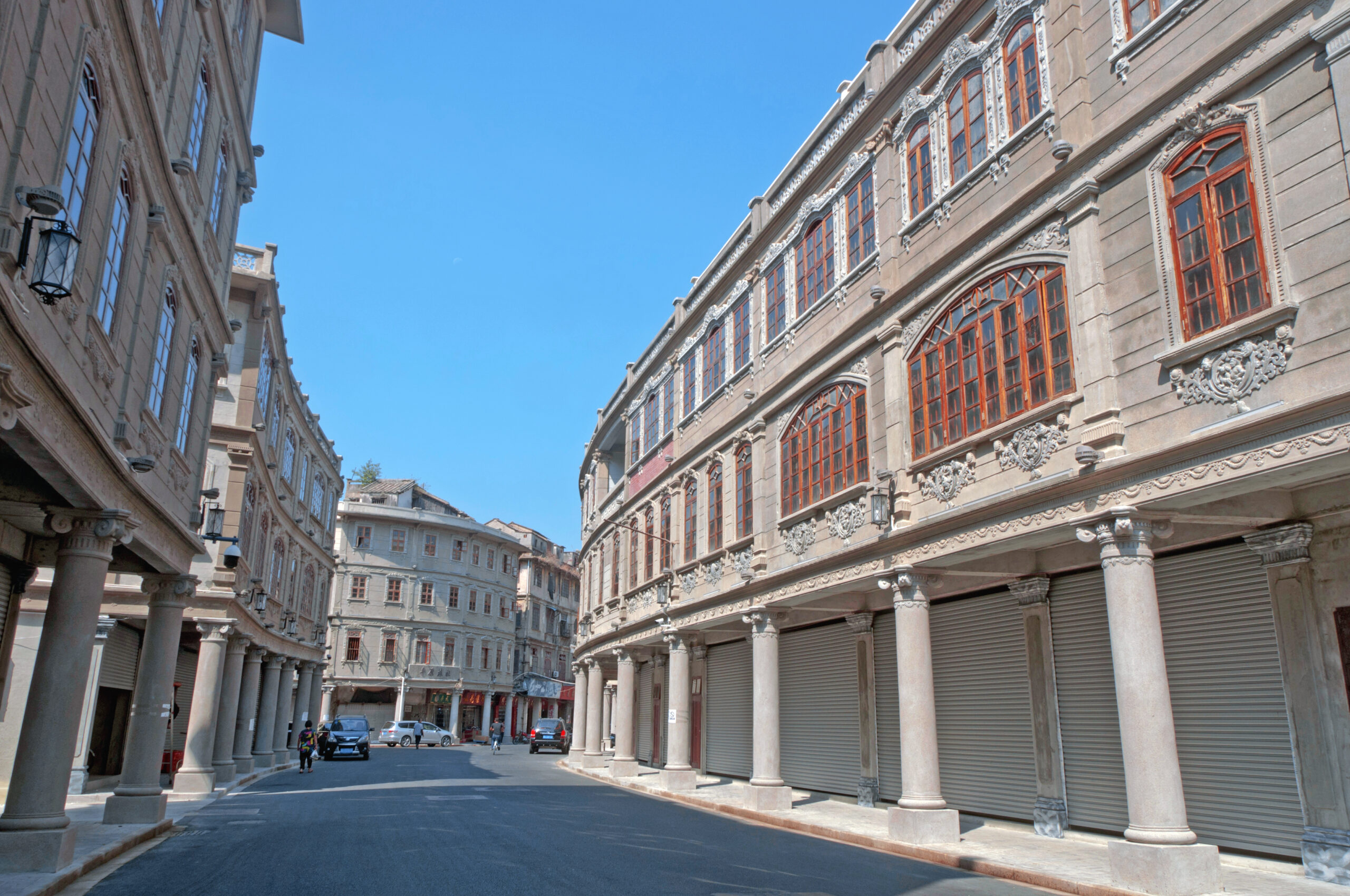 Today, Shantou’s old city is attracting renewed attention. Its old streets, arcades and Sino-Western houses draw new visitors, especially since certain places associated with Qiaopi memory and Chaoshan culture have been brought back into the spotlight by recent cinema, notably through Dear You. In this context, Shantou has launched film-related tourist routes linking historic neighborhoods, former diaspora sites and the Qiaopi Museum. This dynamic shows how a cinematic work can transform local heritage into a contemporary cultural destination.
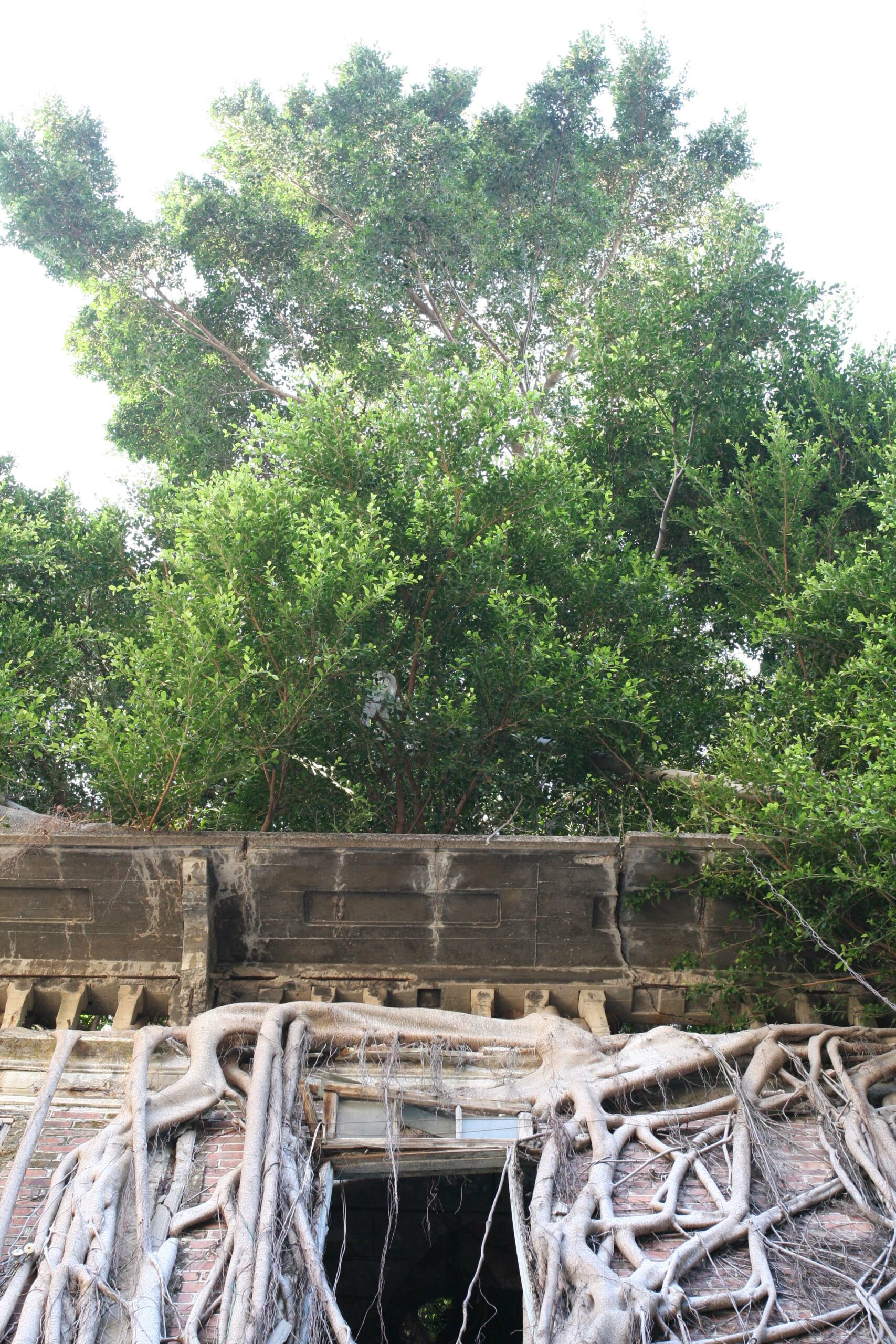
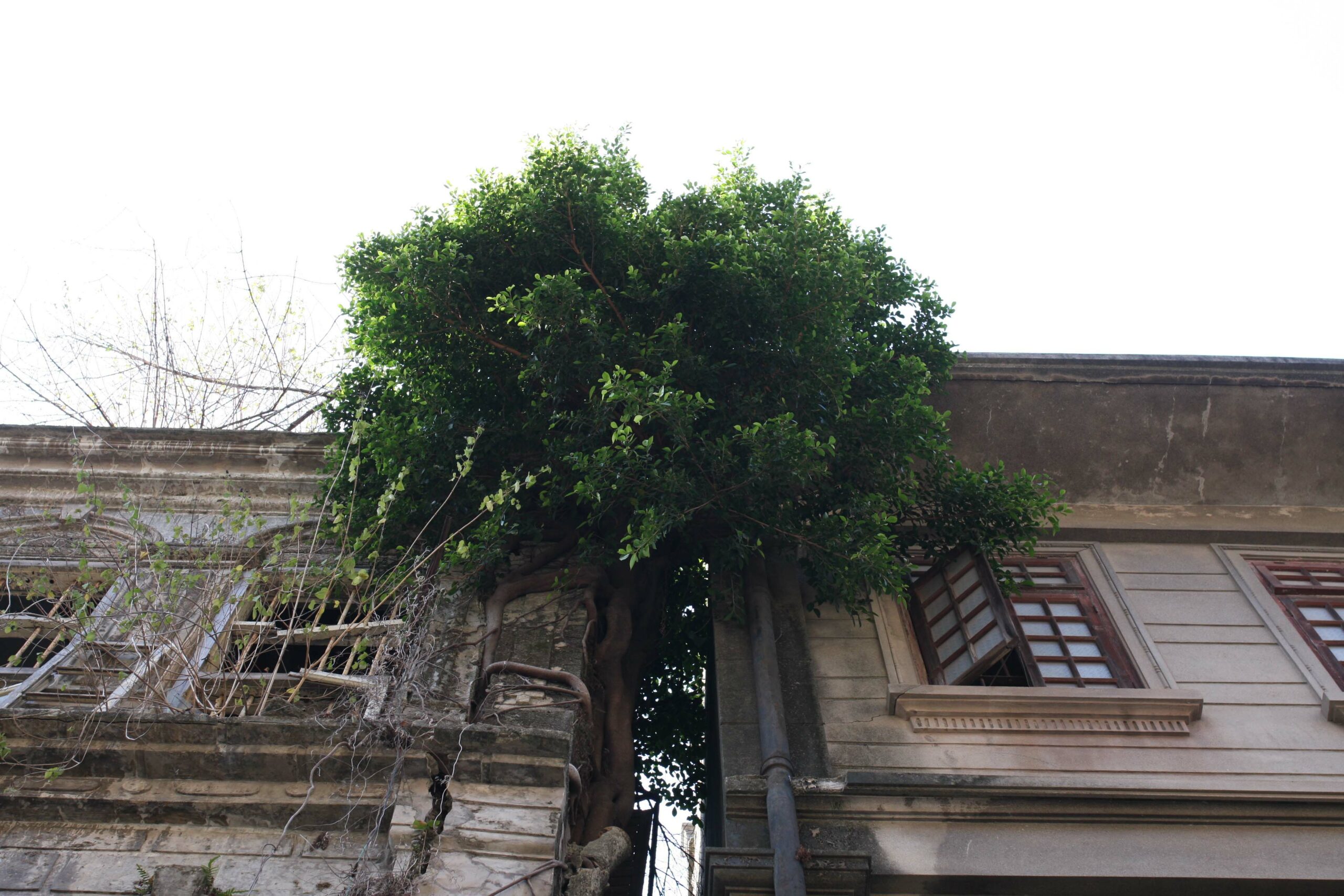
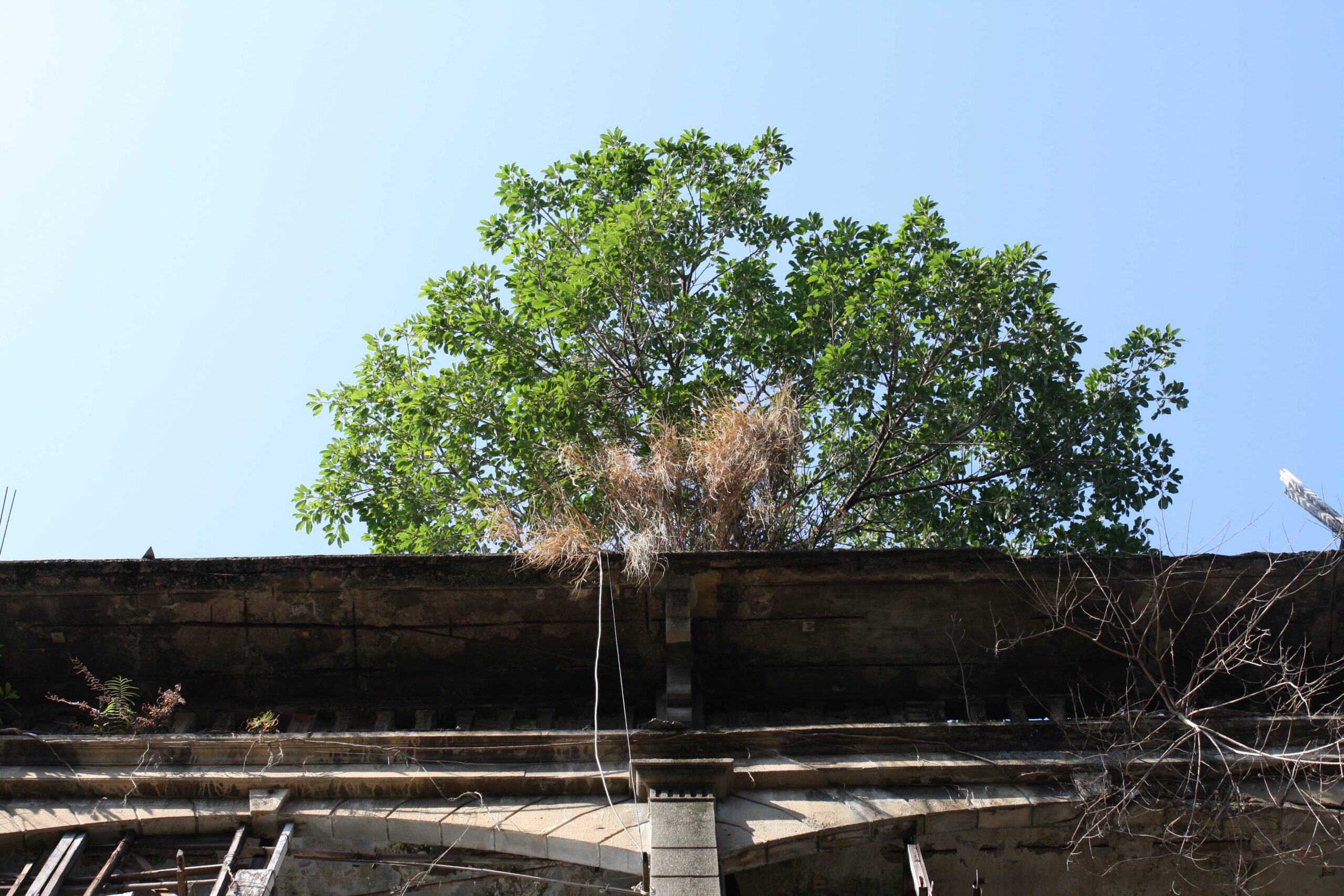
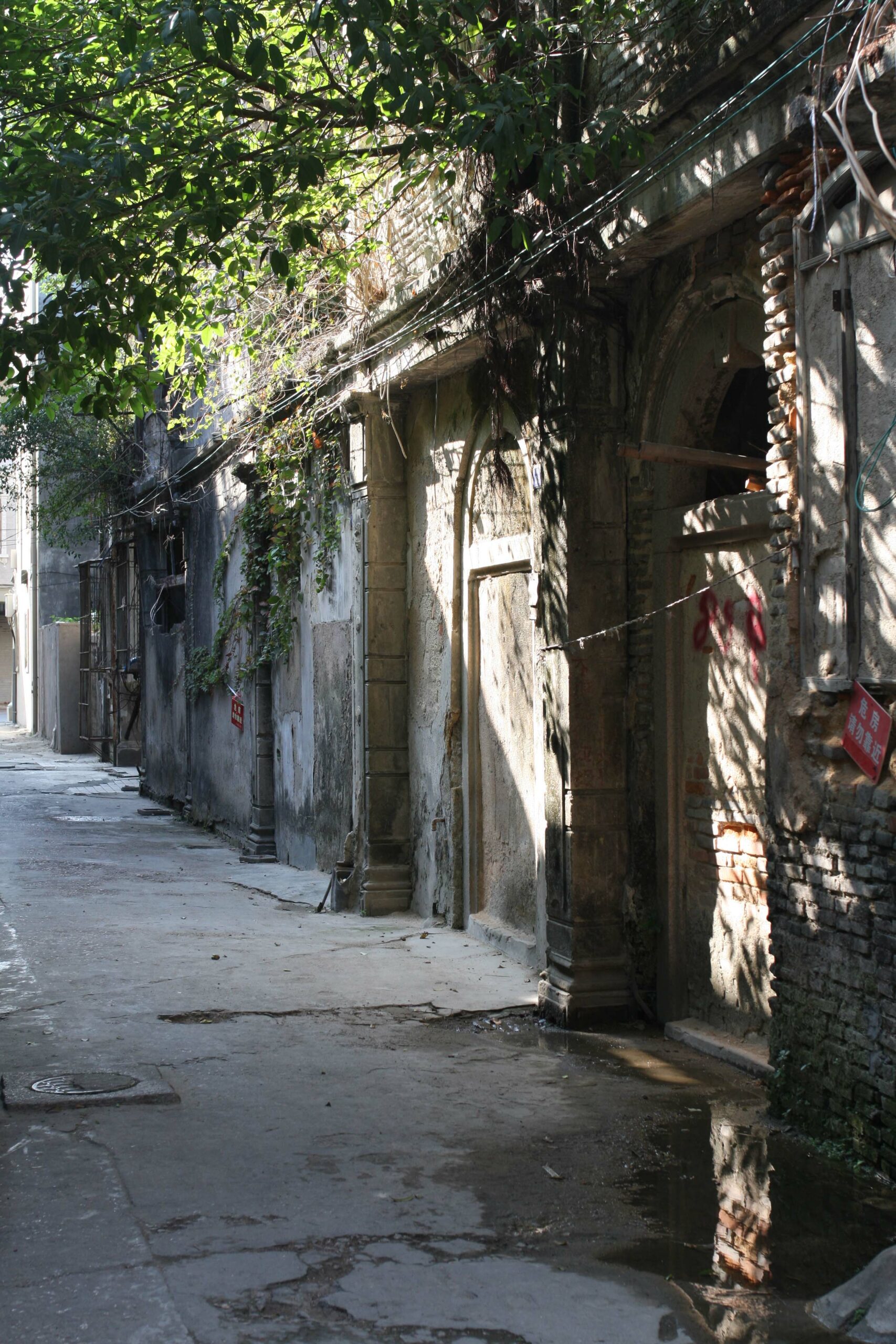
In response to this renewed tourist interest, local authorities have for several years undertaken a vast renovation effort in the old districts, particularly around Xiaogongyuan, the “Small Park,” the historic heart of the old city. The objective is clear: to preserve Shantou’s heritage image, restore tourist value to its old streets and reactivate the memory of its port history. But the task is immense. Many old houses were abandoned for a long time, sometimes in extremely poor condition. Before restoration can even begin, it is often necessary to identify the owners, trace the families involved, resolve issues of inheritance or property rights, and deal with the fact that some heirs now live outside China or may not even know that they still own a share of these houses.
To this complexity of ownership is added a heritage challenge. Restoring these buildings “as they originally were” does not simply mean repainting a façade or replacing windows. It requires real research: finding archives, understanding materials, proportions, decorative details, construction techniques and the historical uses of each place. In practice, however, renovation sometimes seems to be driven more by tourist urgency than by a deep heritage ambition. Some interventions give the impression of surface-level work: standardized façades, simplified decoration, a quickly reconstructed image of the past, but without always preserving the real complexity of the urban fabric.
This is where the main risk lies. In seeking to transform the old city into a tourist destination, Shantou could end up producing a heritage setting rather than a truly living neighborhood. If restoration is not accompanied by a strong economic, cultural and social project, the renovated streets risk becoming simple backdrops for photographs: beautiful in appearance, but empty of uses, residents and soul. Urban heritage cannot be reduced to the staging of façades. It must also allow for the return of activities, shops, workshops, cultural spaces, housing and forms of everyday life.
Yet Shantou’s old city has exceptional potential. It could become much more than a tourist site: a place where the memory of the diaspora, Chaoshan culture, port history, hybrid architecture and contemporary creation intersect. But for that to happen, renovation must move beyond the logic of décor. It must rely on archives, residents, property-owning families, craftsmen, researchers and a genuine strategy of urban reactivation. Without this depth, the risk is that a restored but artificial district will emerge: a clean and photogenic heritage space, yet cut off from the life that once gave Shantou its strength.
Shantou is therefore much more than a coastal city in Guangdong. It is a territory of departures and returns, a city where the sea has shaped destinies, families and urban forms. Through its Chaoshan culture, its port history, its Qiaopi, its hybrid architecture and the memory revived by cinema, Shantou tells a story that is deeply local, yet open to the world.
This story is precious because it is not only about commerce, emigration or heritage. It is about the bond between those who leave and those who remain, about loyalty to a place of origin, about transmission between generations, and about the way a city can carry within itself the memory of an entire diaspora.
Today, the rediscovery of the old city offers Shantou a unique opportunity: to transform its heritage into a genuine cultural, urban and human project. But this renaissance can only succeed if it goes beyond the simple restoration of façades. Preserving Shantou does not merely mean reconstructing an image of the past; it means giving a place back to its inhabitants, its uses, its stories and the complexity of its heritage.
If Shantou manages to avoid the trap of becoming a tourist décor, it could become a rare example of a living heritage city: a place where architecture, the memory of the diaspora, Chaoshan culture and contemporary creation speak to one another. A bridge-city, between China and the world, between past and present, between the silent archives of Qiaopi and the new voices that now seek to bring them back to life.